Lumanto Lúmen Player Market Guide
Trade between players with Lúmen—without mistaking the market for a power shop.
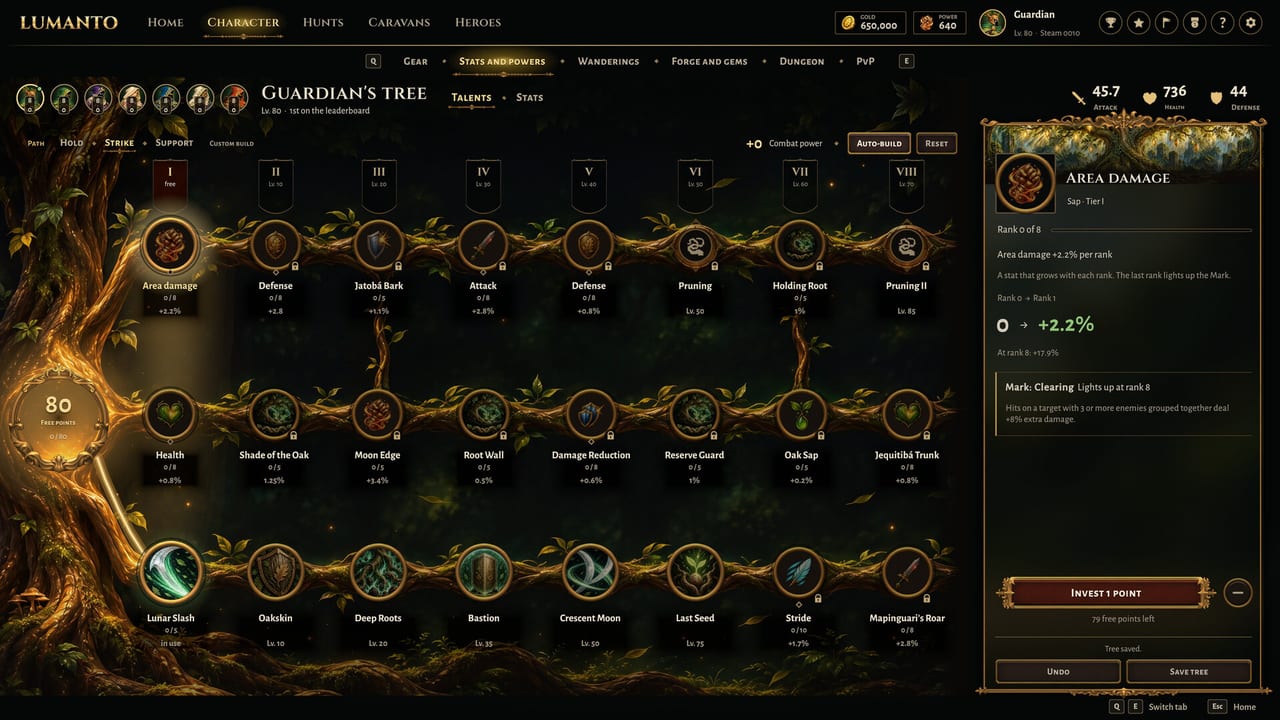
Lumanto’s storefront promise is blunt: the game is free; every region, creature, season, and challenge is playable; everything that makes you stronger is earned by playing; there are no loot boxes; and the game sells nothing that makes you stronger. Inside that frame sits a player market powered by Lúmen—a trading layer between accounts, not a cash shelf of Nebular gear. This guide explains how to think about Lúmen, when to buy or sell versus crafting in the Workshop, how idle and seasonal loops feed inventory, and how to stay safe while you trade.
New accounts should finish Getting Started before spending Lúmen on anything. Craft rules live in Gear & Workshop Guide. Idle income that fills bags comes from Caravan Idle Guide (open-app waves) and the dedicated Hunts & Seals Guide (closed-game trio banks). Economy honesty and promo verification sit on the Codes Hub. Official destinations are listed on the Links Hub.
What Lúmen is—and is not
Lúmen powers the player market. Treat it as the currency of player-to-player listings, not as proof that 33 Studios sells strength. Official copy never frames Lúmen as a shortcut past talent trees, ten gear slots, Common-to-Nebular grades, fourteen weapon families, gems, sets, or Workshop actions. If a stranger claims you can buy raw power with real money through a fake Lúmen shop, walk away—that contradicts Steam’s free-to-play bullets.
Also keep Lúmen separate from redeem-code culture. Lumanto is not a Roblox-style weekly code dump. Rare official promos—if any—belong on Steam news, in-client mail, or lumantoidle.com. See Codes for the verification checklist.
Free-to-play rules that shape every trade
Before you list or buy, reread the Steam pillars:
- The game is free—regions, creatures, seasons, and challenges stay available.
- Strength is earned by playing.
- No loot boxes.
- Nothing that makes you stronger is sold by the game.
The market exists so players can move materials and pieces they already earned. It does not rewrite those four lines. Price discovery between players can still create FOMO, scams, and bad timing—those are social risks, not a license to invent a pay-to-win shop on this wiki.
Market versus Workshop: when to buy, sell, craft
The Workshop is your private factory: combine pieces to raise grade, reroll, break gear into essence, and fuse gems for sockets. The market is the public shelf. Use this decision order:
- Triage loot from caravan waves and hunt chests first (Caravan Idle, Hunts & Seals).
- Craft along a plan when you already own the right fodder for combine or fuse (Gear & Workshop).
- Buy when a listing fills a specific empty slot, set piece, or gem you cannot reasonably craft this week—and the price does not break your Lúmen buffer.
- Sell duplicates that block inventory and have no path into your ten slots or gem plan.
- Never spend Lúmen emotionally after a boss wipe or a bad Vigil night.
Buying is a shortcut for time and luck, not a substitute for learning Workshop triage. Selling everything shiny before you understand set bonuses (for example Weaver heals becoming shields with the right set) is a classic early mistake.
How idle loops feed the market
Trade volume starts with play loops, not with refreshing listings:
- Caravan — leave the app open; your hero keeps fighting waves and generating materials.
- Hunts — assign a trio, bank up to twelve hours, and open chests when you return; seals unlock area bosses across thirty grounds and six regions (Hunts & Seals).
- Creatures — notebook progress and elemental partners change which gear and gems you actually need; see Creature Taming Guide.
- Seasons — four-week cycles with three daily orders, a weekly challenge, a twenty-four-step track, Stream Colossus, and milestone chests can spike demand for certain grades or materials when many players chase the same track steps.
Align market sessions with full hunt banks and Workshop batches so you decide with a complete inventory picture.
Seasons, hunts, and stream rewards as market context
Seasons do not invent a second economy; they schedule goals that move Lúmen and materials around the player base. When Stream Colossus nights and milestone chests land, expect more listings of recently earned fodder and more buyers hunting specific set pieces. Optional live-stream caravans still return rewards to the same Steam hero—so stream play and solo idle share one market identity. Do not treat stream drops as a separate wallet.
Hunt clears remain the quiet engine: chests from closed-game time are often what you later combine, break, or list. Keep the hunt bank full even on heavy trade days.
Safe trading habits
- Prefer in-game market flows over Discord DMs that ask for Steam credentials, authenticator codes, or off-platform wallets.
- Ignore “codes” that unlock free Lúmen piles; verify any promo only through Steam news, the client, or the official site (Codes, Links).
- Screenshot listing details before large purchases so you can compare grades, sockets, and set names calmly.
- Keep a Lúmen reserve for Workshop-adjacent buys instead of dumping the whole balance on one Nebular dream item.
- Remember always-online progress: your market actions sit on the same server account as caravan, hunts, and seasons.
Common market mistakes
- Treating Lúmen as proof of a cash power shop.
- Buying mid-grade junk that Workshop combine would have fixed cheaper with your own fodder.
- Selling set pieces you still need for hero identity.
- Listing during panic after a failed area boss instead of after a planned triage.
- Chasing season FOMO listings without checking whether the piece matches your talent tree and weapon family.
Related reading
- Codes Hub — economy promise and promo verification
- Gear & Workshop — combine, reroll, break, fuse
- Caravan Idle — open-app waves that feed inventory
- Hunts & Seals — closed-game trio banks, seals, area bosses
- Getting Started — first-hour habits before trading
- Creature Taming — partners that change what you buy
- Links Hub — Steam, site, and community destinations
Earn strength by playing, craft with intent, and let Lúmen move surplus between players—never as a substitute for the Workshop or the forest’s idle loops.
Frequently Asked Questions
Quick answers about Lumanto systems, heroes, and progression.
What is Lúmen in Lumanto?
Lúmen powers the player market for trading between players. It is not a developer cash shop that sells strength.
Does Lumanto sell power or loot boxes?
No. Steam states there are no loot boxes and that the game sells nothing that makes you stronger. Strength is earned by playing.
When should I buy on the market instead of crafting?
Buy when a listing fills a specific slot, set, or gem you cannot reasonably craft this week—after you triage caravan and hunt loot and plan Workshop combines.
How do seasons affect the player market?
Four-week seasons with orders, a 24-step track, Stream Colossus, and milestone chests can spike demand for materials and set pieces without creating a separate wallet.
How do I avoid Lúmen scams?
Use in-game market flows, never share Steam credentials, and verify any promo only via Steam news, the client, or lumantoidle.com—not random Discord DMs.